🧠 1. Tracking What Matters — Sleep Stages & Physiology
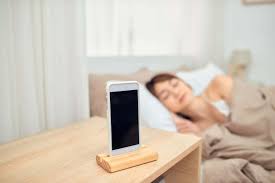
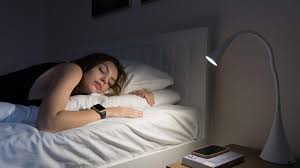
Most modern gadgets first measure your body’s signals to understand your sleep patterns:
🧩 Key Metrics They Track
- Sleep stages (light, deep, REM) — helps see how restorative your sleep is.
- Heart rate & variability (HRV) — shows stress levels and recovery.
- Breathing patterns — detects irregularities that may disrupt sleep.
- Body temperature — linked to circadian rhythm and sleep onset.
- Movement/restlessness — identifies awakenings and sleep quality.
How it helps:
Tracking gives you an accurate baseline — so you know what’s normal for you and where improvements can be made. Without data, it’s just guesswork. Many devices use sensors like accelerometers, PPG (optical heart sensor), and temperature sensors to gather this data each night.
🔁 2. Personalized Insights & Feedback
Once data is collected, the real value comes from interpretation:
📊 Sleep Scoring & Trends
Gadgets usually generate a sleep score each night and show changes over time — so you can spot patterns.
🔔 Actionable Tips
Apps give personalized recommendations:
- “Try to reduce caffeine after 3 pm”
- “Increase your deep sleep by cooling your room”
- “Avoid screen time 60 min before bed”
📈 Trend Tracking
They plot your sleep over weeks/months so you can connect sleep quality with habits, stress, exercise, etc.
Why this matters:
It turns raw numbers into meaningful advice, helping change behavior.
🛏️ 3. Improving Your Sleep Environment
Some gadgets go beyond tracking and actively improve the conditions for sleep:
🌡️ Temperature Control Systems
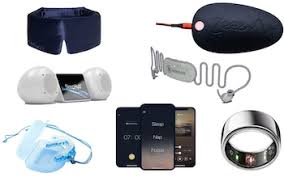
Smart mattresses or pads (e.g., temperature-adjusting systems) cool or warm your bed to help your body hit the ideal sleep zone.
- Your core body temperature naturally drops to fall asleep; these gadgets help nudge your environment to match that condition.
🎧 Sound & Light Therapy
- White noise machines / soundscapes mask disruptive noises and help you fall asleep faster.
- Smart light alarms gently mimic sunrise or sunset to help regulate your circadian rhythm.
✨ 4. Behavioral & Timing Support
Some gadgets influence when and how you sleep:
⏰ Smart Alarms
- Detects your lightest sleep stage and wakes you gently — so you wake up feeling more refreshed.
📱 Sleep Coaching
- Integrated programs (like CBT-based sleep guides) support better bedtime routines and reduce anxiety at night.
🧘 5. Reducing Stress & Promoting Relaxation
A big barrier to good sleep is stress and overthinking. Some devices help here too:
🧠 Brainwave & Relaxation Gadgets
Wearable EEG headbands or guided meditation devices help:
- slow your brain into a relaxed state
- calm your nervous system
- cue your brain that it’s time for sleep
💤 Breathing & Biofeedback Tools
Devices like breathing trainers or smart sleep robots sync you with slow, calm breathing — a signal your body uses to fall asleep.
🔄 6. Automation & Real-Time Adjustment
Advanced sleep gadgets don’t just observe — they adapt in real time:
- Smart mattresses adjusting temperature mid-night
- Lights dimming automatically as you wind down
- White noise changing with detected movement
- Adaptive alarms that avoid waking you during deep sleep
📌 Summary: How Sleep Gadgets Optimize Sleep
| Goal | How Gadgets Help |
| Understand sleep | Track physiology and patterns |
| Improve sleep quality | Personalized insights + behavior guidance |
| Enhance environment | Temp, light, and sound control |
| Better routines | Coaching + adaptive alarms |
| Reduce stress | Relaxation tools and biofeedback |
🧠 Final Thought
Sleep gadgets don’t magically make you sleep better — they empower you with data, feedback, and environment control so you can improve your habits and give your body what it needs for restful sleep.
If you want suggestions for specific gadgets and how they compare (e.g., best for insomnia vs. best for general tracking), I can help!