📊 1. How Accurately They Track Sleep
✔️ Sleep vs. Awake
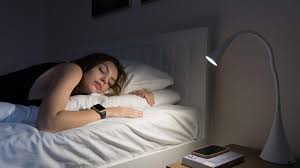
Many consumer sleep trackers (rings, watches, and sensors) can reasonably tell when you’re asleep vs. awake — often with ~80–90% agreement vs. clinical standards for simply detecting sleep time vs. waking. (neuroscience.ox.ac.uk)
⚠️ Detailed Sleep Stages (Light, Deep, REM)
- Trackers DO track sleep stages, but accuracy drops significantly here.
- Compared to polysomnography (PSG, lab-grade testing), devices often:
- Misclassify REM vs. light vs. deep sleep
- Underestimate wake periods
- Overestimate restful phases (neuroscience.ox.ac.uk)
Summary: They’re good for broad trends but not precise enough for medical diagnosis or clinical sleep staging.
🧠 2. How Well They Help Improve Sleep
📉 Providing Useful Insights
Sleep gadgets can:
- Highlight patterns (e.g., “you fall asleep faster on weekends”)
- Track how bedtime habits affect sleep duration
- Help you notice disruptions from caffeine, noise, or late meals
These insights are helpful for awareness and habit change — and trends over time matter more than one night’s data. (Johns Hopkins Medicine)
😴 Helping You Sleep Better
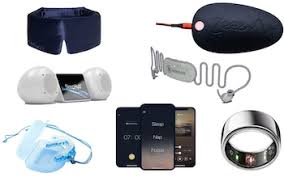
Some gadgets claim to actively improve sleep (not just track it), such as noise-masking devices or closed-loop stimulation:
- One trial with a headband delivering sound cues reduced time to fall asleep by ~24 minutes vs. baseline. (arXiv)
- Another study found a wearable noise-masking device helped perceived sleep quality and reduced time to fall asleep, though objective improvements were smaller. (Frontiers)
Important: Improvements tend to be modest — and many perceived benefits come from relaxing behavioral cues (like wind-down prompts), not the gadget mechanisms themselves.
🔍 3. Where They’re Less Effective
❗ Not Medical Devices
Consumer sleep gadgets are not replacements for clinical sleep studies:
- They don’t measure brain activity (EEG), which is needed for diagnosing disorders like sleep apnea, narcolepsy, or chronic insomnia. (neuroscience.ox.ac.uk)
- They may misclassify sleep stages or wake periods, so the detailed scores aren’t clinically reliable.
😟 Possible Negative Effects
Some users develop “orthosomnia” — obsessively chasing perfect sleep scores, which can increase anxiety and actually make sleep worse. (The Future Lifestyle)
📈 4. Overall Efficiency Summary
| What They Do Well | What They Don’t Do Well |
| Track general sleep/wake patterns | Precise sleep staging (REM vs. deep vs. light) |
| Show trends over time | Diagnose sleep disorders |
| Help build awareness and routines | Act as a medical tool |
| Provide inspiration for sleep hygiene | Guarantee major sleep improvements |
Overall: Sleep gadgets are moderately effective for tracking trends and supporting better sleep habits. They can help you notice patterns and make lifestyle changes, but they’re not extremely precise — and the degree to which they actually improve sleep quality varies widely between individuals. (neuroscience.ox.ac.uk)
🧠 Bottom Line
✔️ Useful for:
- Monitoring sleep trends
- Motivating better sleep habits
- Improving awareness of lifestyle impacts
❌ Not so useful for:
- Clinical diagnosis
- Precise measurement of sleep stages
- Guaranteed big improvements without good sleep habits
If you want specific data on a particular device’s accuracy or how well it works for certain issues (like insomnia vs. general sleep improvement), I can give tailored numbers and comparisons.